

What Exactly Is a Cyber Security Questionnaire?
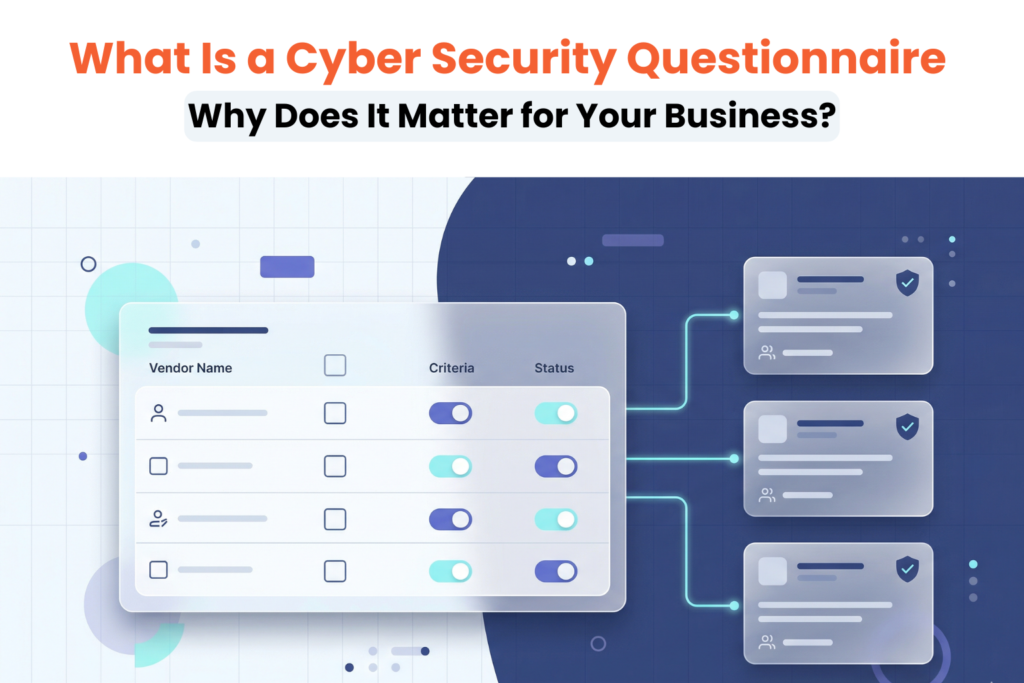
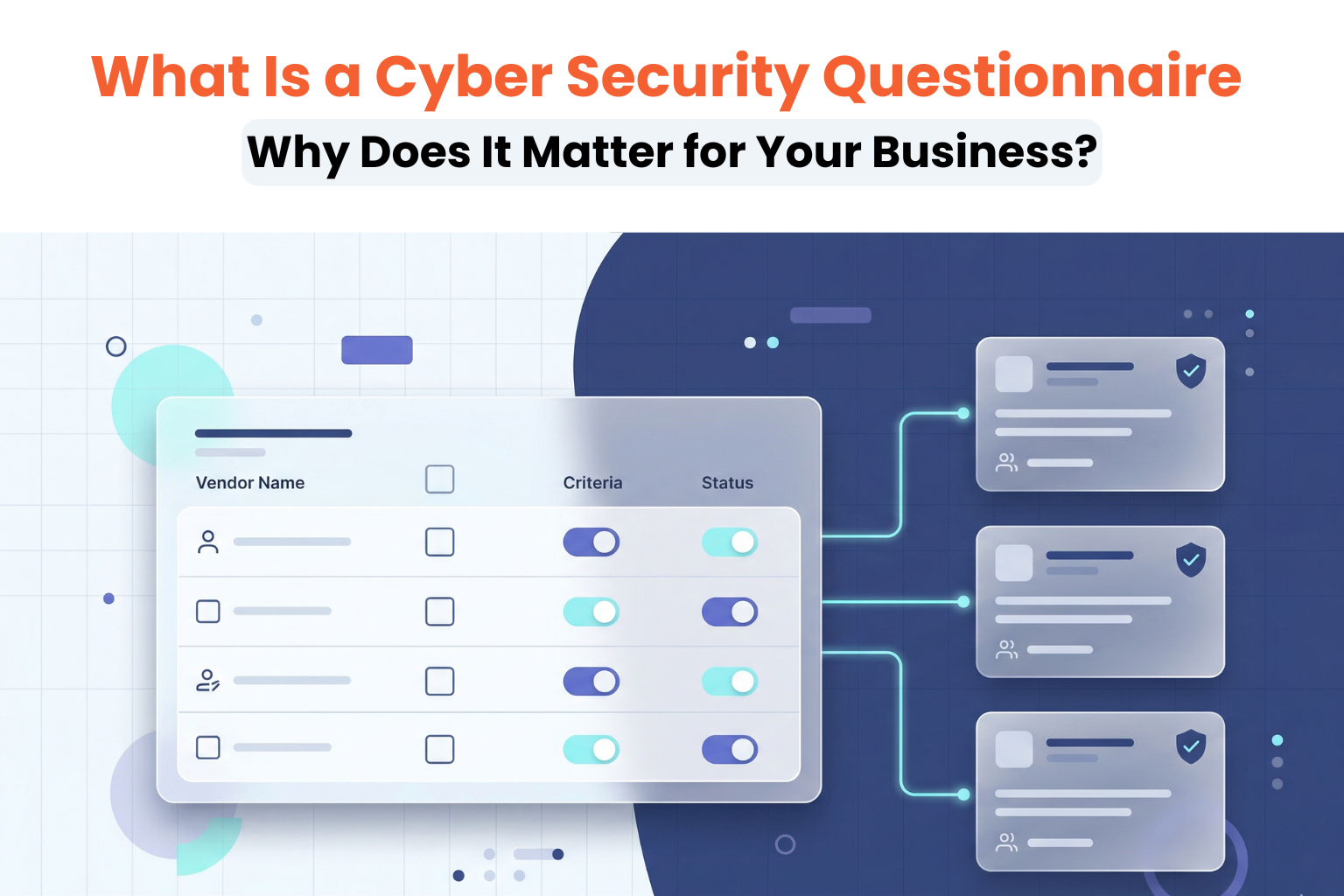
A **cyber security questionnaire** is a structured set of questions that one organization sends to another to evaluate the security posture of that organization. It is typically used during vendor onboarding, contract renewals, partnership assessments, or regulatory audits. The requesting party, usually a customer or regulator, wants to understand how well the responding organization protects sensitive data, manages vulnerabilities, and handles security incidents. These questionnaires can range from ten general questions to several hundred highly technical ones. Common frameworks that shape their structure include the SIG (Standardized Information Gathering) questionnaire, the CAIQ (Consensus Assessments Initiative Questionnaire) from the Cloud Security Alliance, NIST-based templates, ISO 27001 control lists, and SOC 2 trust service criteria. Regardless of the format, the underlying goal is the same: verify that the vendor or partner meets an acceptable security standard before handing over access, data, or contracts.What Topics Do Cyber Security Questionnaires Typically Cover?
Most questionnaires are organized around specific control domains. You can expect questions across data governance and classification policies, network security and perimeter controls, identity and access management, encryption standards in transit and at rest, vulnerability management and patching cadence, incident response and breach notification procedures, business continuity and disaster recovery plans, subprocessor and fourth-party risk management, and physical security and data center controls.Why Are Cyber Security Questionnaires Important for Third-Party Risk Management?
Supply chain attacks and third-party breaches have become one of the most damaging categories of cybersecurity incidents. When a vendor is compromised, every organization connected to that vendor can be affected. Cyber security questionnaires exist to prevent this by creating a documented record of due diligence. They force vendors to reflect on their own controls, and they give procurement and security teams objective data on which to base decisions. Beyond risk assessment, questionnaires also support regulatory compliance. Frameworks like GDPR, HIPAA, SOC 2, PCI-DSS, and ISO 27001 require organizations to conduct vendor assessments. A properly completed questionnaire serves as documentation that this due diligence has been performed, which is invaluable during audits.What Is the Real Cost of Handling Security Questionnaires Manually?
The problem is not that questionnaires exist. The problem is that most organizations still handle them manually. A security analyst opens a spreadsheet, hunts for previous answers across shared drives and email threads, rewrites responses to match the specific phrasing of each new question, and then routes everything through legal and management for review. This process can take days for a single questionnaire, and large enterprises often receive dozens of them every month. The inefficiency compounds quickly. Inconsistent answers across questionnaires create risk. Outdated policy documents get copy-pasted without review. Talented security professionals spend time on repetitive data entry instead of actual threat analysis. Revenue slows because sales cycles stall while prospects wait for security documentation. These are real, measurable costs that a decision to automate security questionnaire workflows can directly eliminate. Also Read: The Hidden Cost of Security Questionnaires: How Manual Responses are Wasting Your Team’s TimeHow Do You Automate Security Questionnaire Workflows Step by Step?
Automation in this context does not mean removing human judgment. It means removing the repetitive, low-value work so that human judgment can focus where it genuinely matters.How Do You Build a Centralized Knowledge Base for Questionnaire Automation?
Every automation effort starts with a single source of truth. Collect all previously approved answers, policy documents, certifications, and evidence files into one structured repository. Tag each answer with relevant frameworks such as SOC 2, ISO 27001, and NIST so it can be retrieved by context. This library becomes the foundation that powers every automated response.How Does AI-Powered Question Matching Work in Security Questionnaires?
Modern platforms use natural language processing to read incoming questions and match them to your pre-approved answers, even when the phrasing is entirely different. A question asking “How do you manage user access?” and one asking “Describe your identity and access management procedures” should both pull the same vetted response. This is the core engine of any effort to automate security questionnaire completion at scale.How Do You Integrate Questionnaire Automation with Your Existing Security Stack?
Automation becomes far more powerful when it connects to your existing tools. Integrations with GRC platforms, ticketing systems, cloud security posture management tools, and document management systems allow evidence to be pulled automatically and answers to stay current as your environment evolves. Live data means your questionnaire responses always reflect your real security posture.Why Is Human Review Still Necessary When You Automate Security Questionnaire Responses?
Set confidence thresholds so that high-confidence automated answers go through a lightweight approval process, while low-confidence or novel questions get routed to the appropriate subject matter expert. This hybrid model is far more efficient than manual completion while still maintaining the oversight that sensitive security disclosures require.How Do You Continuously Improve Your Automated Questionnaire Program Over Time?
Every completed questionnaire is a data point. Track turnaround times, approval rates, and knowledge base gaps. When a question cannot be matched confidently, add the new answer to your library. Over time, the system becomes smarter, faster, and more consistent, creating a compounding efficiency gain across your entire security organization.
What Tools Should You Use to Automate Security Questionnaire Responses?
Several purpose-built platforms now exist specifically to help security teams handle questionnaires at scale. Here are the most widely used options in the market today.- Narad.io: Built specifically for security and compliance teams that need to respond to questionnaires faster without sacrificing accuracy. It uses AI to match incoming questions to your pre-approved knowledge base.
- Vanta: A popular compliance automation platform that helps teams manage SOC 2, ISO 27001, and other frameworks by connecting to your tech stack.
- Drata: Offers continuous compliance monitoring with built-in security questionnaire support, widely used by SaaS companies.
- Conveyor: A dedicated vendor trust platform that allows companies to share security documentation proactively.
- Whistic: Focuses on vendor security assessments and gives organizations a profile-based approach where security answers are maintained once and shared repeatedly.