
Managing Third-Party Vendor Risks: A Critical Step in Securing Your Business
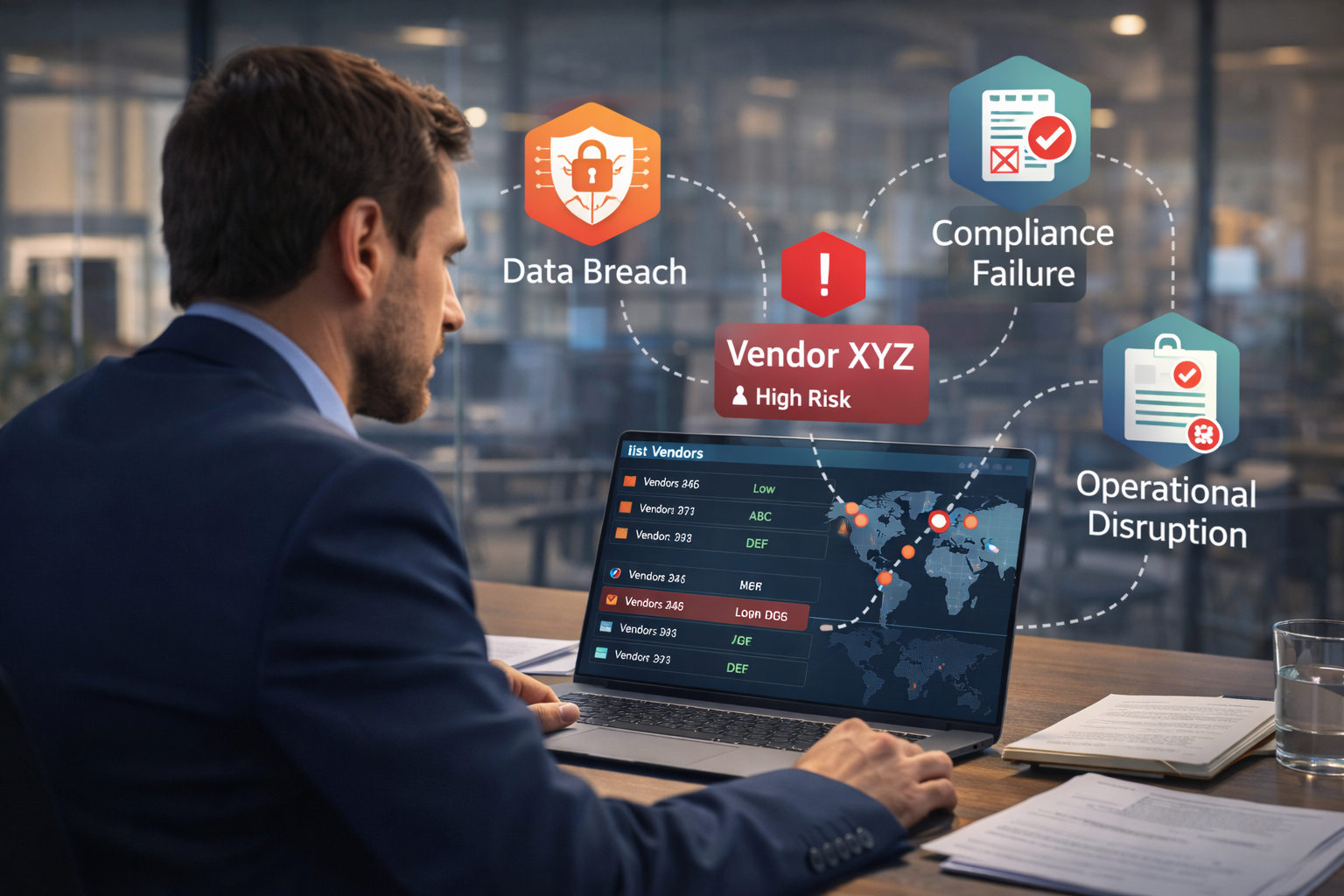
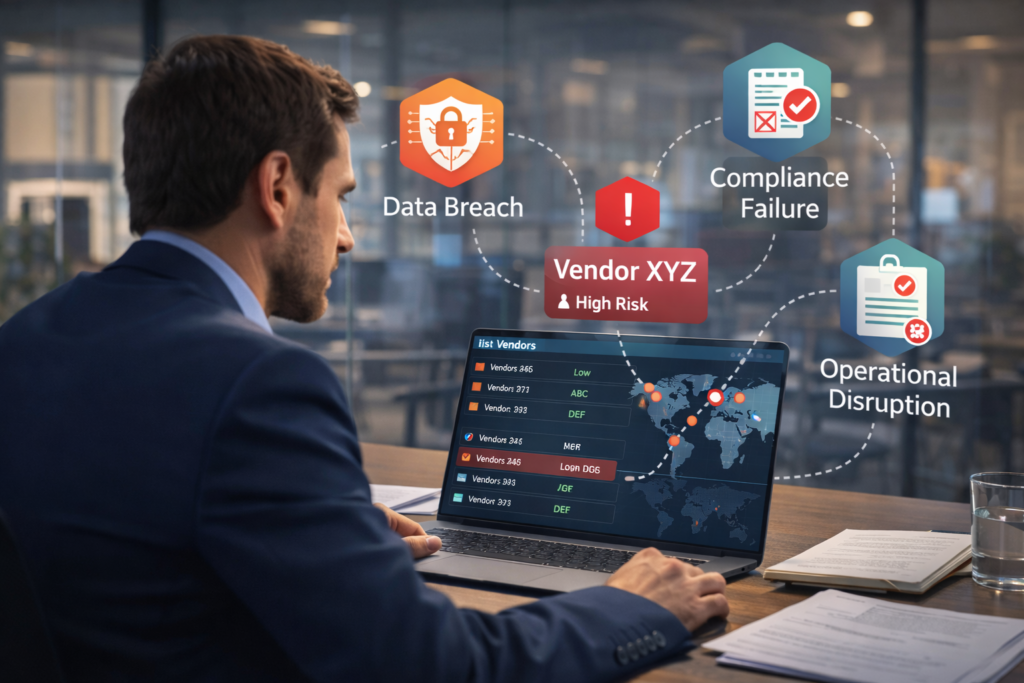
In today’s interconnected world, businesses rely on third-party vendors for a wide range of services, from software solutions to cloud infrastructure. While these partnerships can drive efficiency and innovation, they also introduce significant security risks. Third-party vendor risks have become an increasing concern, with supply-chain attacks on the rise. For organizations to protect their data, operations, and reputation, it is essential to implement effective vendor risk management strategies.
The Growing Threat of Supply-Chain Attacks
Supply-chain attacks have grown in frequency and sophistication, making headlines for their ability to exploit vulnerabilities in third-party vendors. Cybercriminals often target vendors who have access to critical systems and data, knowing that a breach at this level can have widespread consequences. These attacks can cause operational disruptions, financial loss, and reputational damage that may take years to recover from.
One of the most notable examples of such an attack was the SolarWinds breach, where hackers compromised the software updates of a widely used IT management platform, gaining access to thousands of organizations, including government agencies and large enterprises. This attack highlighted the vulnerability that third-party vendors can pose when their security is not properly managed.
Why Vendor Risk Management Is Crucial
As companies increasingly rely on third-party vendors, it becomes imperative to understand and mitigate the risks associated with these partnerships. Vendor risk management is a process that involves identifying, assessing, and managing potential risks that vendors may pose to the business. It is crucial because:
- Vendors Have Access to Sensitive Data: Many vendors are granted access to critical systems, networks, and sensitive data. If a vendor’s security is compromised, hackers could gain access to your company’s data, potentially leading to data breaches or intellectual property theft.
- Regulatory Compliance: Businesses are bound by various regulatory frameworks (such as GDPR, HIPAA, SOC 2, etc.) that require maintaining secure systems and data protection practices. A breach due to a vendor’s negligence could lead to significant legal and financial repercussions.
- Operational Continuity: Third-party vendors often play a crucial role in business operations. A disruption in the vendor’s service or a security breach at the vendor’s end can cause delays, interruptions, or even halt critical business functions.
Key Steps to Strengthen Vendor Risk Management
To safeguard your business against third-party risks, it’s important to follow a comprehensive vendor risk management strategy. Here are some key steps organizations can take to reduce the likelihood of a security incident:
- Perform Thorough Vendor Risk Assessments: Before partnering with a vendor, conduct a detailed security and compliance audit. This should include a review of the vendor’s security protocols, history of incidents, compliance with relevant regulations, and financial stability.
- Implement Strong Access Controls: Limit the access that vendors have to your internal systems and data. Use principles of least privilege, providing only the minimum access necessary for vendors to perform their work.
- Regular Security Audits and Monitoring: Continuous monitoring of third-party vendors’ systems and networks is critical. Regular security audits should be conducted to identify potential vulnerabilities.
- Create Clear Contracts and SLAs: Establish clear contracts and service level agreements (SLAs) with vendors that outline their responsibilities regarding data protection, security standards, and incident reporting.
- Third-Party Risk Insurance: To mitigate the financial impact of a vendor breach, consider requiring vendors to have cyber liability insurance.
- Vendor Training and Awareness: Ensure that your vendors are well-trained in cybersecurity best practices and aware of the latest threats.
The Role of Technology in Vendor Risk Management
The growing complexity of managing third-party risks has made it increasingly difficult for businesses to manually track and assess each vendor’s security. Thankfully, technology is playing a key role in simplifying vendor risk management.
AI-powered tools and platforms can automate many aspects of the vendor assessment process. These solutions provide real-time insights into the security status of third-party vendors, flagging any vulnerabilities or non-compliance issues as they arise. AI and machine learning algorithms can also identify patterns and predict potential risks, enabling proactive action before a security breach occurs.
Conclusion: A Collaborative Approach to Security
As third-party vendor risks continue to grow, businesses must adopt a proactive, collaborative approach to managing these risks. Vendor risk management is not just a compliance task, it is a critical component of an organization’s overall cybersecurity strategy. By taking the necessary steps to assess and mitigate third-party risks, businesses can protect themselves from supply-chain attacks, safeguard sensitive data, and ensure business continuity.